The ECerS Conference will cover on advanced technical innovations, sustainability, and artistic techniques, among others. The symposium topics will be:
Symposium S1 – Innovative Ceramic Syntheses, Processing & Advanced Shaping
The industrial fabrication of high-performance ceramics demands innovative strategies that enhance product properties while minimizing environmental impact throughout the entire manufacturing chain. This symposium explores the challenges and opportunities in the early stages of the production of advanced ceramics. Key focus areas include eco-friendly synthesis routes, optimized powder preparation and beneficiation, suspension characterization, and advanced shaping techniques.
The event aims to bridge the gap between academia, research centers, and industry. Presentations will address both the theoretical background and technical challenges of powder processing and component shaping. Special attention will be given to recent trends in manufacturing multimaterials, functionally graded structures, tailored microarchitectures, porous networks, and fiber and particulate ceramic-matrix composites (CMCs).
A core theme of the symposium is sustainability. We highly encourage contributions showcasing non-contaminating processes, net-zero carbon emissions approaches, water-based routes, and the use of green additives like biopolymers and natural products.
Additionally, the program welcomes submissions on pre-firing stages — such as green machining, lamination, and texturing — post-processing treatments and computational advances, including modeling, simulation, artificial intelligence, and machine learning applied to ceramic processing.
Topics
- Advanced powders synthesis methods, sol-gel routes, soft chemistry
- Beneficiation processes, including mechanochemistry, spray and freeze drying
- Powder packing and green compaction
- Preceramic polymers for advanced ceramics
- Wet processing, colloidal properties and rheology of inks, suspensions and pastes
- Near-net-shaping by conventional, novel and hybrid processing methods
- Processing of complex architectures, laminates, FGMs, composites, etc.
- Coatings production
- Machining and precision cutting and finishing of ceramic components
- Computational modelling, simulation, machine learning and artificial intelligence applied to ceramic processing
Symposium Chairs
- Rodrigo Moreno, Institute of Ceramics and Glass (ICV-CSIC), Spain
- Samuel Bernard, IRCER-CNRS (University of Limoges), France
- Günter Motz, University of Bayreuth, Germany
- Carolina Tallón, Virginia Tech, USA
- Paula Vilarinho, CICECO – University of Aveiro, Portugal
Scientific Committee (SC)
- Zhaoju Yu, Xiamen University, China
- Pierre-Marie Geffroy, IRCER-CNRS (University of Limoges), France
- Emanuel Ionescu, TU Wien, Austria
- Suk-Joong L. Kang, Korea Institute of Ceramic Engineering and Technology (KICET), Republic of Korea
- Paulina Wiecinska, Warsaw University of Technology, Poland
- Anne Aimable, IRCER-CNRS (University of Limoges), France
- Sanjay Mathur, University of Cologne, Germany
- Lisa Rueschhoff, Air Force Research Laboratory (AFRL), USA
- Surojit Gupta, University of North Dakota, USA
- Michaela Wilhelm, University of Bremen, Germany
- Elizabeth Opila, University of Virginia, USA
- Martin Trunec, CEITEC, Czech Republic
Symposium S2 – Additive Manufacturing
Additive manufacturing (AM) of ceramics, hard metals, cermets, glass, nanoparticles and composite materials encompasses a broad spectrum of direct and indirect processes involving dot-wise, line-wise, or layer-wise deposition. Several of these technologies have already reached industrial maturity, enabling resource-efficient production routes aligned with sustainable manufacturing principles. Semi-finished products such as granules, suspensions, filaments, and feedstocks must meet stringent requirements regarding processability, reproducibility, and material consistency to ensure both performance and environmental compliance.
Within this context, the field is increasingly moving toward the establishment of a robust materials and processing system, ensuring reproducibility, scalability, and full alignment with Safe-and-Sustainable-by-Design (SSbD) principles across the entire AM value chain. This framework supports the development of mechanically reliable, high-performance components while minimising environmental impact and enabling responsible innovation.
Current development efforts focus on achieving component properties in additively manufactured parts that match or surpass those obtained through conventional forming methods, while enhancing reliability and repeatability. To reach these objectives, non-destructive in-line monitoring, digital process control, and advanced surface-finishing strategies will be essential across the entire value chain, as well as establishing new standards for the mechanical characterization and assessment of 3D-printed ceramic parts. These approaches support the transition toward full digitalization of manufacturing workflows, enabling traceability, predictive quality assurance, and reduced material waste.
Contributions addressing recent advances in Additive Manufacturing and hybrid processing technologies — covering component design, multi-material printing, AM build processes, debinding, consolidation/sintering, post-processing, and multiscale characterization — are highly encouraged. Both experimental and numerical approaches are welcome, particularly those that promote circularity, such as the reuse of powders, feedstocks, or composite precursors, and those that facilitate the integration of digital twins and data-driven optimisation. Special emphasis is placed on research that accelerates the shift toward a circular, digital, and sustainable materials ecosystem for ceramics and composite materials at both academic and industrial levels.
Topics
- Feedstock design
- Direct and indirect AM methods
- Dot-wise, line-wise, and layer-wise building techniques
- Hybridization technologies
- Multi-material approaches
- Thermal post-processing (debinding, sintering)
- Characterization and simulation of AM parts
- Standards for AM technologies
- Artificial Intelligence / Machine learning / Deep learning
- Applications of 3D-printed parts
Symposium Chairs
- Begoña Ferrari, Institute of Ceramics and Glass (ICV-CSIC), Spain
- Tassilo Moritz, IKTS Fraunhofer, Germany
- Raúl Bermejo, Technical University of Leoben, Austria
- Paolo Colombo, University of Padova, Italy
- Hui-suk Yun, Korea Institute of Materials Science, Republic of Korea
Scientific Committee (SC)
- Frank Clemens, EMPA, Switzerland
- Tobias Fey, University of Erlangen-Nuremberg (FAU), Germany
- Jens Günster, Federal Institute for Materials Research and Testing (BAM), Germany
- Michael Halbig, NASA Glenn Research Center, USA
- Soshu Kirihara, Osaka University, Japan
- Tanja Lube, Technical University of Leoben, Austria
- Fabrice Rossignol, IRCER-CNRS (University of Limoges), France
- Zhangwei Chen, Shenzhen University, China
- Martin Schwentenwein, Lithoz GmbH, Austria
- Lucía Gallego, COLFEED4Print, Spain
- Richard Gaignon, 3DCeram, France
- Guillaume de Calan, Nanoe, France
Symposium S3 – Thermal Processes and Advanced Sintering
This symposium will highlight the most recent advancements and breakthroughs in the fields of thermal processing and advanced sintering of ceramic materials. In addition to conventional consolidation approaches, the symposium will place a strong emphasis on emerging non-conventional densification technologies — such as Cold Sintering, Radiative Sintering, Blacklight Sintering, Ultrafast High-Temperature Sintering (UHS), and Laser Sintering.
The symposium aims to bridge the gap between theory and practice by providing a vibrant platform for both academic researchers and industrial experts. Discussions will span from fundamental process understanding and advanced modeling — specifically focusing on tailored microstructural evolution — to the scaling up of these techniques for commercial and industrial applications. A key focus will be on unleashing the potential of these cutting-edge processing routes to design advanced, multifunctional, and complex ceramic components with unprecedented property combinations. Furthermore, special attention will be dedicated to strategies for reducing manufacturing costs, optimizing energy efficiency, and minimizing the environmental carbon footprint of modern sintering processes.
Topics
- Field-Assisted and Spark Plasma Sintering (FAST/SPS)
- Flash Sintering and Electric Field Effects
- Cold Sintering Processes (CSP)
- Microwave Processing and Sintering
- Selective Heat and Beam Sintering (Laser, Radiative, Blacklight, etc.)
- Ultrafast High-Temperature Sintering (UHS)
- Reactive and Liquid-Phase Sintering
- Fundamental Sintering Mechanisms, Kinetics, and Multiscale Modeling
- Tailored Ceramic Microstructures and Properties (Nanomaterials, Composites, and Functionally Graded Materials)
- Energy Efficiency, Decarbonization, and Industrial Scale-up of Advanced Sintering
Symposium Chairs
- Nuria Vicente, Universitat Jaume I (UJI), Spain
- Claire Dancer, University of Birmingham, United Kingdom
- Hidehiro Yoshida, The University of Tokyo, Japan
- Wei Ji, Wuhan University of Technology, China
Scientific Committee (SC)
- Julia Hoche, Karlsruhe Institute of Technology (KIT), Germany
- Antonio María Asensio, Catalonia Institute for Energy Research (IREC), Spain
List incomplete — remaining members to be provided by the Symposium Chairs.
Symposium S4 – Advanced Structural Ceramics and Composites – (mechanical properties, architecture materials)
Advanced structural ceramics, including ceramic matrix composites, multilayer ceramic systems, functionally graded materials, ceramic coatings or architectured porous ceramics, are enabling materials for engineering frontiers through strategic applications under extreme conditions. These applications span sectors such as aerospace, nuclear, energy, environmental and automotive, where an excellent mechanical and/or tribological performance is required, jointly with tailored thermal properties or improved resistance to oxidation and corrosion.
To achieve these goals, researchers are encouraged to propose new or improved materials. This is prompting the scientific community to investigate breakthrough techniques related to the synthesis and processing of these materials and their multi-scale characterisation and testing in a variety of conditions. The scientific community is also developing and applying state-of-the-art modelling techniques to improve our understanding of the relationships between processing, microstructure, and the properties of these materials. This symposium welcomes contributions addressing the research and development of this class of materials. The aim is to present the benefits to users of these materials in relation to their various applications.
Topics
- Oxide/non-oxide structural ceramics
- Fibre reinforced and particulate ceramic matrix composites (CMC)
- Multilayer ceramic systems and functionally graded materials (FGM)
- Ceramic coatings (thermal and environmental barrier coatings, wear)
- Architectured porous ceramics
- Innovative ceramic manufacturing technologies
- Processing/microstructure/property relationships
- Mechanical, tribological and thermal properties; oxidation/corrosion resistance
- Testing and evaluation
- Computational modelling, simulation and design
- Applications (aerospace, transport, energy, automotive, subsea, defense, etc.)
Symposium Chairs
- Manuel Belmonte, Institute of Ceramics and Glass (ICV-CSIC), Spain
- Rosalía Poyato, Institute of Materials Science of Seville (ICMS-CSIC), Spain
- Dong (Lilly) Liu, University of Oxford, United Kingdom
- Hua-Tay Lin, Hunan University of Humanities, Science and Technology, China
Scientific Committee (SC)
- Csaba Balázsi, HUN-REN Centre for Energy Research, Hungary
- Alexandra Kovaľcíková, Institute of Materials Research, Slovak Academy of Sciences, Slovakia
- Tanja Lube, Technical University of Leoben, Austria
- Irina Hussainova, Tallinn University of Technology, Estonia
- Zbigniew Pędzich, AGH University of Krakow, Poland
- Katsumi Yoshida, Institute of Science Tokyo, Japan
- Dechang Jia, Harbin Institute of Technology, China
Symposium S5 – Refractories, Ultra-High Temperature Ceramics, Hard Metals
Refractories, ultra-high temperature ceramics, cermets and other advanced structural ceramics are needed for applications that exceed the performance limits of existing materials. Applications that include aerospace, energy production and conversion, nuclear fusion/fission, thermal process engineering, and others expose materials to extreme environments that include elevated temperatures, heat fluxes, irradiation, thermo-mechanical loading, strain rates, and other conditions that need new or improved materials. This symposium aims to bring together scientists and engineers working in relevant areas to discuss emerging trends, challenges, and materials research relevant to refractories, UHTCs, and cermets.
Topics
- UHTCs: borides, carbides, and nitrides, high entropy UHTCs, and composites
- MAX phases: ternary compounds and layered 2D materials
- Cermets, cemented carbides and hard metals: novel binders or hard phases, interface design
- Refractories: raw materials, shaped and monolithic refractories, circular economy, recycling
- Microstructure design
- Synthesis routes and novel precursors
- Processing methods, densification, and microstructure development
- Modeling and simulation of microstructure, processing, properties, and performance
- Mechanical properties, failure analysis, and fractography
- Nuclear energy: fission, fusion, waste remediation
- Processing-microstructure-property relationships
- Thermophysical and tribological properties
- Corrosion and oxidation behavior
Symposium Chairs
- William G. Fahrenholtz, Missouri University of Science and Technology, USA
- Antonio Javier Sánchez Herencia, Institute of Ceramics and Glass (ICV-CSIC), Spain
- Jesús Gonzalez-Julian, CNRS Laboratory of Thermo-Structural Composites (LCTS), France
- Diletta Sciti, CNR-ISSMC, Institute of Science, Technology and Sustainability for Ceramics, Italy
Scientific Committee (SC)
- Christos Aneziris, Technische Universität Bergakademie Freiberg, Germany
- Jon Binner, University of Birmingham, United Kingdom
- Tamás Csanádi, Slovak Academy of Sciences, Slovakia
- Samuel Humphry-Baker, Imperial College London, United Kingdom
- Sea-Hoon Lee, Korea Institute of Materials Science (KIMS), Republic of Korea
- Luis Llanes, Universitat Politècnica de Catalunya, Spain
- Victor Pandolfelli, Federal University of São Carlos, Brazil
- Margarita Álvarez, Refractarios Alfran, Spain
- Chris Parr, Imerys, France
- Jacques Poirier, Université d’Orléans, France
- Johannes Pötschke, Fraunhofer IKTS, Germany
- Jose Manuel Sánchez Moreno, University of Navarra, Spain
- Stefan Schafföner, University of Bayreuth, Germany
- Ji Zou, Wuhan University of Technology, China
Symposium S6 – Materials for Circularity and Sustainability
The transition towards a sustainable and climate-neutral society requires a profound transformation in the way materials are designed, produced, used, recovered, and reintegrated into industrial value chains. Global material extraction has increased nearly threefold over the last four decades, surpassing 90 billion tons annually, and is projected to continue growing significantly unless circular economy strategies are widely implemented. The ceramics industry faces three major challenges: first, energy transition together with decarbonization; second, raw materials supply; and third, emissions and waste management.
This symposium will provide an interdisciplinary platform for participants from industry and academia to present their strategies to achieve sustainability goals and to discuss advanced materials, processes and technologies. Topics concerning energy transition and decarbonization — including carbon capture, utilization and storage (CCUS), circular carbon approaches, and the integration of captured CO₂ into industrial value chains — will be addressed. It will highlight the role of ceramic materials in critical applications such as environmental protection, energy conversion and storage, and sustainable and efficient manufacturing. The recycling and valorization of ceramic materials and composites, by-products and waste will be explored. Particular attention will be given to the recovery of critical and strategic raw materials from complex waste streams, including waste electrical and electronic equipment (WEEE), batteries, construction materials, and multi-material products. Advanced sorting technologies, sensor-based systems, digitalization, artificial intelligence, and data-driven approaches for material identification, tracking, and circularity assessment will be addressed.
Contributions covering sustainability assessment, life cycle assessment (LCA), circularity indicators, value retention processes (reuse, repair, remanufacturing and recycling), digital product passports, industrial symbiosis, critical raw materials management, Safe and Sustainable by Design (SSbD) approaches, and the regulatory and industrial challenges associated with implementing circular materials systems are also strongly encouraged.
Topics
- Advanced ceramics for sustainability and environmental technologies (catalysis, energy storage, water treatment, hydrogen technology)
- Energy transition and energy saving in ceramic processing
- Carbon capture, utilization and storage (CCUS)
- Circular materials design and engineering
- Recycling and valorization of ceramic materials, composites and complex multi-material products (including metals, polymers and biomaterials)
- Advanced sorting, sensor-based technologies, digitalization and artificial intelligence for recycling
- Recovery of critical and strategic raw materials from industrial residues and other sources
- Life Cycle Assessment (LCA), SSbD and sustainability metrics
- Policy, regulation and industrial implementation of sustainable circular economy strategies
Symposium Chairs
- Klaus Reichmann, TU Graz, Austria
- Gisèle Lecomte, University of Limoges, France
- Zoilo González, University of Córdoba, Spain
- Caroline Sunyong Lee, Hanyang University, Republic of Korea
- Monto Mani, Indian Institute of Science, India
Scientific Committee (SC)
[To be completed]
Symposium S7 – Glass, Glass-Ceramics and Vitreous Materials
The relationship between the composition, structure, and crystallization behavior of glasses and vitreous materials is fundamental to understanding and controlling their processing, microstructure, and functional properties. Structural changes occurring in glass melts and amorphous systems determine the conditions that promote or suppress crystallization, providing the basis for the design of advanced glasses and glass-ceramics with tailored performance. A deeper understanding of these phenomena, from both fundamental and application-oriented perspectives, enables the development of innovative materials for emerging technologies.
The increasing demand for sustainable manufacturing, energy-efficient processing, and circular use of resources is driving significant advances in glass science and technology. In parallel, novel processing approaches — including additive manufacturing, powder-based processing, advanced sintering techniques, digital manufacturing, and data-driven process optimization — are opening new opportunities for producing complex vitreous materials with engineered microstructures and enhanced functionalities.
This symposium welcomes contributions covering the entire spectrum of glass, glass-ceramics, and vitreous materials, from fundamental studies of structure and crystallization to innovative processing routes, characterization, modeling, recycling, and industrial applications. Particular emphasis will be placed on sustainable manufacturing strategies, the incorporation of recycled raw materials, circular economy approaches, and low-carbon technologies that contribute to reducing the environmental footprint of glass production.
The symposium aims to bring together researchers from academia and industry working on the science, engineering, processing, and applications of vitreous materials, fostering interdisciplinary discussions on future developments and emerging technologies.
Topics
- Fundamental aspects of glass structure, glass melts, and crystallization
- Structure–processing–microstructure–property relationships in glasses, glass-ceramics, glazes, and other vitreous materials
- Glass and melt-to-crystal transformations, including nucleation and crystallization mechanisms
- Structural evolution of liquids prior to crystallization
- Advanced characterization techniques, including in situ and operando methods
- Process monitoring, digital manufacturing, and intelligent process control
- Modeling, numerical simulation, machine learning, and Artificial Intelligence for glass processing and design
- Innovative processing technologies, including hot forming, advanced melting technologies, laser processing, microwave and field-assisted sintering, flash sintering, and hybrid manufacturing
- Powder processing, sintering of glass-ceramics, and near-net-shape manufacturing
- Additive manufacturing and 3D printing of glasses, glass-ceramics, and vitreous composites
- Recycling, reuse, and valorization of glass waste and secondary raw materials
- Sustainable glass manufacturing, energy-efficient processing, decarbonization strategies, and circular economy approaches
- Functional bulk materials, thin films, fibers, coatings, and composites with engineered microstructures
- Applications in optics, photonics, lasers, energy generation and storage, electronics, healthcare, construction, and other emerging technologies
- Future trends and industrial perspectives for advanced glass, glass-ceramics, and vitreous materials
Symposium Chairs
- María Jesús Pascual, Institute of Ceramics and Glass (ICV-CSIC), Spain
- Dušan Galusek, Alexander Dubček University of Trenčín, Slovakia
- Aldo R. Boccaccini, University of Erlangen-Nuremberg (FAU), Germany
- Ina Mitra, Schott, Germany
Scientific Committee (SC)
- Laurent Cormier, IMPMC, Sorbonne Université – CNRS, France
- Enrico Bernardo, University of Padova, Italy
- Delia Brauer, University of Jena, Germany
- Laeticia Petit, Tampere University, Finland
- Mathieu Allix, CEMHTI – CNRS, Orléans, France
- Maria Rita Cicconi, University of Erlangen-Nuremberg (FAU), Germany
- Daniela Carta, University of Surrey, UK
- Joachim Deubener, Clausthal University, Germany
Symposium S8 – Functional Ceramics
Functional ceramics are central to modern technologies, enabling advanced performance in electronics, sensing, actuation, communication, and other device-oriented applications. This symposium aims to highlight the latest advances in the design, processing, and characterization of ceramic materials conceived to exhibit tailored electrical, magnetic, optical, thermal, or multifunctional properties. By bringing together specialists from academia and industry, it will provide a comprehensive forum for discussing both fundamental mechanisms and device-relevant implementations, with particular emphasis on understanding how composition, defects, and microstructure can govern functional behaviour.
The symposium will also integrate key aspects of green electronics, including eco-design principles, innovative approaches for environmental risk mitigation, and the development and application of sustainable materials and practices. Contributions addressing life-cycle assessment, evaluation of energy efficiency and carbon footprint, as well as waste reduction and recycling strategies, will be particularly welcome. Similarly, submissions on materials and architectures offering enhanced performance, reduced reliance on critical elements, or novel combinations of functional properties that open new application opportunities while supporting material sustainability are also strongly invited.
Topics
- Dielectric ceramics (high-k, microwave and high-temperature applications, non-linear semiconductors), piezoelectrics and ferroics (ferroelectrics, relaxors, multiferroics)
- Electronic ceramics: electronic, ionic and mixed ionic-electronic conductors; defect chemistry and transport phenomena
- Magnetic and magnetoelectric/multiferroic ceramic materials
- Optical and photonic ceramics, including transparent, luminescent, scintillating, and nonlinear optical materials
- Thermally driven functional ceramics: thermoelectric, caloric materials and cooling technologies
- Ceramic sensors and actuators (gas, chemical, mechanical, environmental, structural, health monitoring), energy harvesting systems
- Smart, adaptive, self-sensing, and multifunctional ceramic systems
- Advances in processing and sintering technologies (additive manufacturing, thin film deposition, field-assisted sintering, cold sintering, LTCCs) towards tailored microstructures (multilayer, functionally graded and nanostructured ceramics) and unusual or combined properties
- Modelling, simulation, and in situ/operando characterization of functional ceramics
- Microstructure-property relationships and defect engineering in functional ceramics
- Integration of functional ceramics into electronic, sensing, and photonic devices; reliability and long-term performance
- Fundamentals of electroceramics (thermodynamics and kinetics, diffusion, crystal and electronic structure, one- and multidimensional defects, theory)
Symposium Chairs
- Marco Peiteado, Institute of Ceramics and Glass (ICV-CSIC), Spain
- Jurij Koruza, Graz University of Technology, Austria
- Catherine Elissalde, ICMCB-CNRS, University of Bordeaux, France
- Jörg Töpfer, Ernst-Abbe-Hochschule Jena, Germany
- Hong Wang, Southern University of Science and Technology, China
- Geoff Brennecka, Colorado School of Mines, USA
Scientific Committee (SC)
- Michelle Dolgos, Oak Ridge National Laboratory, USA
- Uwe Partsch, Fraunhofer IKTS, Germany
- Julia Glaum, Norwegian University of Science and Technology, Norway
- Dou Zhang, Central South University, China
- Giovanna Canu, CNR-ICMATE, Italy
- Astri Bjørnetun Haugen, Technical University of Denmark, Denmark
- Fei Li, Xi’an Jiaotong University, China
- Yun Liu, Australian National University, Australia
- Anna Grünebohm, ICAMS – Ruhr-Universität Bochum, Germany
- Miguel Algueró, Instituto de Ciencia de Materiales de Madrid (ICMM-CSIC), Spain
- Cecilia Granados-Miralles, Institute of Ceramics and Glass (ICV-CSIC), Spain
Symposium S9 – Ceramics for Energy Conversion and Storage
Reducing the dependence on fossil fuels requires materials for highly efficient energy conversion and reliable, cost-efficient energy storage. Ceramics are key enablers for many of these technologies. They are used as electrodes and electrolytes in batteries, electrolyzers and fuel cells, as sealants, thermoelectric converters, piezoelectric and pyroelectric harvesters, and as dielectrics in high-energy- and high-power-density capacitors. In most of these cases, the performance-limiting factors are connected to similar fundamental questions: how charge and mass are transported, how interfaces and grain boundaries are designed, and how materials evolve during long-term operation. Further progress therefore depends on a better understanding of the underlying physics and chemistry as much as of device engineering.
Ceramic materials for hydrogen technologies and batteries are at the forefront of advanced ceramics development.
In solid oxide fuel cells and electrolyzers and proton-conducting devices, challenges remain in reducing operating temperatures, improving efficiency and durability, and understanding the transport and interfacial processes that limit device performance. Ceramic materials as catalysts and supports are also crucial for hydrogen production and the synthesis of hydrogen-based fuels such as ammonia and e-fuels.
Energy-storage technologies are enablers for the transition to renewables. Solid-state batteries in particular, where ceramics play a central role in both electrodes and electrolytes, represent the pinnacle of battery technologies. Oxide and sulfide electrolytes have to combine high ionic conductivity with mechanical stability and chemical resistance against the electrodes. Most of the remaining problems — such as high interfacial resistance and cyclability — are located at the interfaces and grain boundaries rather than in the bulk. Dendrite growth, contact loss during cycling, and the processing of thin and thick layers remain major challenges to which the ceramics community can contribute directly.
The symposium welcomes contributions on ceramic materials and interfaces for batteries, fuel cells and electrolyzers, as well as dielectric energy storage, thermoelectric conversion and energy harvesting. Across these technologies, particular attention will be given to defect chemistry, charge and mass transport, interface stability, mechanical behaviour, degradation and lifetime.
Contributions covering synthesis and processing, characterization, modeling and device integration are welcome, including both new material systems and established materials investigated using advanced methods, particularly in-situ and operando techniques under realistic operating conditions.
Topics
- Electrodes for Li-, Na- and emerging battery technologies
- Solid electrolytes and interfaces in solid-state batteries
- Processing and manufacturing of ceramic components for batteries and electrochemical devices
- Components for solid oxide fuel cells and electrolyzers, including electrolytes, electrodes, ceramic coatings and sealants
- Proton-conducting ceramics and membranes for hydrogen technologies
- Ceramics for hydrogen production and hydrogen-derived chemicals and fuels (i.e. ammonia and sustainable aviation fuels)
- Dielectric ceramics for high energy and high power density storage
- Interfaces, grain boundaries and their influence on charge and mass transport
- In-situ and operando characterization of ceramics under operating conditions
- Mechanical properties of energy materials
- Degradation mechanisms and lifetime of ceramic energy materials
- Advanced characterization methods
- AI-driven energy materials development and optimization
Symposium Chairs
- Mihails Kusnezoff, Fraunhofer-Institut für Keramische Technologien und Systeme (IKTS), Germany
- Federico Smeacetto, Politecnico di Torino, Italy
- Till Frömling, Technische Universität Darmstadt, Germany
- Alodia Orera, Instituto de Nanociencia y Materiales de Aragón (INMA), Spain
- Alejandro Várez, Universidad Carlos III de Madrid, Spain
- Vincenzo Esposito, Technical University of Denmark (DTU), Denmark
Scientific Committee (SC)
- Stefan Schafföner, University of Bayreuth, Germany
- Norbert H. Menzler, Forschungszentrum Jülich, Germany
- Jan van Herle, École Polytechnique Fédérale de Lausanne (EPFL), Switzerland
- Xingbo Liu, West Virginia University, USA
- Alexander Opitz, TU Wien, Austria
- Christian Lenser, Forschungszentrum Jülich (FZJ), Germany
- Emma Kendrick, University of Birmingham, UK
- Maria Crespo Ribadeneyra, Queen Mary University of London, UK
- Bidhan Pandit, Imperial College London, UK
Symposium S10 – Bioceramics and Biomaterials
This symposium provides a forum to discuss current challenges and future perspectives in bioceramics, bioglasses and composite biomaterials, with a focus on the design and development of novel materials, advanced and more sustainable processing techniques, biological interactions, and innovative solutions to drive new directions and applications in healthcare.
Bioceramics and biomaterials encompass a broad class of advanced materials, including bioactive glasses, calcium phosphates, structural ceramics, metal oxides, composites, and nanostructured materials, specifically designed for biomedical applications. Through advances in composition design, microstructural engineering, surface functionalization and advanced fabrication technologies, these materials offer tailored physicochemical, mechanical, and biological properties, enabling improved biocompatibility, biological interactions and/or long-term performance. Their applications span tissue repair and regeneration, orthopedic and dental devices, drug delivery systems and cancer treatment, and other implantable biomedical solutions, with increasing emphasis on multifunctionality, patient-specific solutions, and clinical translation.
The symposium welcomes contributions on all types of bioceramics and biomaterials, including dense and porous monoliths, scaffolds, coatings, composites, cements, injectable systems, micro- and nanostructured materials, and multifunctional hybrid platforms. Particular attention will be devoted to advanced processing and manufacturing technologies, such as additive manufacturing and bioprinting, advanced powder processing, innovative shaping routes, cold sintering and other field-assisted or energy-efficient sintering techniques, surface engineering and functionalization, as well as emerging fabrication strategies enabling hierarchical architectures, compositional control, and patient-specific biomedical devices.
Topics
- Bioceramics, bioglasses, and composite biomaterials for tissue engineering and regenerative medicine
- Dental and orthopedic ceramics
- Nanostructured biomaterials and nanomedicine, bioceramics for cancer therapy and diagnostics
- Electro-active bioceramics
- Antimicrobial, antibacterial, and anti-infective biomaterials
- Drug delivery and therapeutic systems
- Biomaterials for wound healing and tissue regeneration
- Biological interactions
- Mechanical, physicochemical, and in vitro/in vivo characterization
- Advanced syntheses and manufacturing of bioceramics and bioglasses
- 3D printing, bioprinting, 4D printing and stimuli-responsive scaffolds
- Cold sintering and other advanced sintering technologies
- Surface engineering and functionalization
- Translation to industry and clinics
- Modeling, numerical simulation, digital design, and Artificial Intelligence-assisted biomaterials design and development
Symposium Chairs
- Paola Palmero, Politecnico di Torino, Italy
- Maria Pau Ginebra, Polytechnic University of Catalonia, Spain
- Artemis Stamboulis, University of Birmingham, United Kingdom
- Hrishikesh Kamat, Glidewell Laboratories, USA
- Jérôme Chevalier, INSA Lyon, France
Scientific Committee (SC)
- Sabine Begand – Fraunhofer IKTS, Dresden, Germany
- Maja Dutour Sikirić – Ruđer Bošković Institute, Croatia
- Marc Bohner – RMS Foundation, Switzerland
- Simone Sprio – ISSMC-CNR, Italy
- Antonia Ressler – Tampere University, Finland
- Nathalie Douard – Mines Saint-Etienne, France
- Jānis Ločs – Riga Technical University, Latvia
Symposium S11 – Ceramics for construction & building applications
This symposium will provide an international forum for researchers, scientists, engineers, architects, and industrial experts to present and discuss the latest advances in ceramic materials and technologies for construction and building applications.
The symposium will cover the entire value chain, from the development of sustainable raw materials and circular economy strategies to innovative manufacturing processes, advanced characterization techniques, functionalization, durability, and long-term performance of ceramic products used in the built environment.
The symposium aims to strengthen collaboration between academia and industry by highlighting both fundamental research and technological innovations that enhance the sustainability, functionality, durability, and architectural value of ceramic materials for future buildings and infrastructure.
Topics
- Sustainable and secondary raw materials for construction ceramics
- Circular economy and recycling of industrial wastes and end-of-life materials
- Low-carbon ceramic manufacturing and decarbonization strategies
- Energy-efficient ceramic products and building envelopes
- Cool roofs, cool façades and solar reflective ceramic surfaces
- Functional surfaces and coatings (photocatalytic, self-cleaning, antimicrobial, anti-pollution)
- Ceramic tiles, bricks, roof tiles and structural ceramics
- Advanced processing technologies
- Digitalization and smart manufacturing
- Characterization, microstructure and performance
- Durability, weathering and service life prediction
- Thermal, optical, acoustic and mechanical properties
- Life Cycle Assessment (LCA), Environmental Product Declarations (EPDs) and sustainability assessment
- Industrial applications and technology transfer
Symposium Chairs
- Vicente Sanz, Instituto de Tecnología Cerámica (ITC), Spain
- Cristina Siligardi, University of Modena and Reggio Emilia (UniMo), Italy
- Servet Turan, Eskişehir Technical University, Türkiye
- Manuel Torres, Universidad Carlos III de Madrid (UC3M), Spain
- Dachamir Hotza, Federal University of Santa Catarina (UFSC), Brazil
Scientific Committee (SC)
- Eugeni Cañas, Universitat Jaume I, Spain
- Inês Rondão, CTCV – Centro Tecnológico da Cerâmica e Vidro, Portugal
- Paula Seabra, Universidade de Aveiro, Portugal
- Prof. Antonio Caggiano, UniGE – Universitá di Genova, Italy
- Dra. Inés García Lodeiro, Eduardo Torroja Institute for Construction Sciences (IETcc-CSIC), Spain
- Prof. Nuno Cristelo, University of Trás-os-Montes e Alto Douro, Portugal
- Dr. Segundo Shagñay, Bath University (Marie Curie Fellowship) , UK
- Cekdar Vakifahmetoglu, Technische Universitaet Berlin, Germany
- Saso Storm, Jožef Stefan Institute, Germany
- Chiara Zanelli , ISSMC-CNR, Italy
- Riccardo Fantini, UNIMORE, Italy
- Oscar Rubem Klegues Montedo, UNESC, Brazil
- Juliana Calabria, Bath University, UK
Symposium 12 – Ceramic Membranes: Advancing Separation for a Sustainable Future
Ceramic membranes are at the forefront of modern separation technologies, addressing critical challenges in chemical engineering, energy systems, environmental protection, and climate mitigation.
Compared to polymeric alternatives, ceramic membranes offer superior resistance to aggressive environments and significantly longer operational lifetimes, making them a reliable solution for demanding industrial applications. They are already well established in liquid filtration, playing a vital role in the purification of water and organic solvents, while also opening new opportunities in advanced gas separations such as H2, CO2, CH4, O2, and water vapour.
The symposium will bring together researchers from academia and industry to explore the latest developments in ceramic membrane science and technology. It includes cutting-edge advances in membrane fabrication, its microstructure, and performance optimization, with a focus on increasing flux, selectivity, durability, addressing emerging application needs, and reducing production costs.
A wide spectrum of membrane materials will be covered, including oxides, non-oxides, zeolites, MOFs, 2D materials, palladium-based materials, carbon-based materials, ionic and mixed ionic-electronic conductors.
Contributions on the following topics are welcome:
- Porous and dense membranes
- Fabrication and up-scaling of porous membrane supports (e.g. tubes, flat sheets, capillaries, hollow fibres)
- Fabrication of separation and catalytic layers (techniques like slurry coating, sol-gel, CVD, PVD, grafting, screen-printing)
- Membrane characterization
- Sustainable-by-design (including recycling)
- Membrane application
- Electrochemical membranes and processes
- Catalytic membranes and processes
- Membrane reactors
- Membrane contactors
Symposium chairs:
- Louis Winnubst, University of Twente, The Netherlands
- Jose M. Serra, Technical University of Valencia, Spain
- Xuerui WANG, Nanjing Tech University, P.R. China
Scientific committee:
- Marie-Laure Fontaine, SINTEF, Oslo Norway
- Ingolf Voigt, Fraunhofer IKTS, Germany
- Anne Julbe, Institut Européen des Membranes (IEM), CNRS, Montpellier, France
- Wanqin Jin, Nanjing Tech University, P.R. China
- María Balaguer, Technical University of Valencia, Spain
- Stefan Bauman, Forschungszentrum Jülich GmbH, Germany
Symposium S13 – High-Entropy Ceramics
Since 2015, high-entropy ceramics (HEC) have attracted a growing scientific and technological interest. The stabilization of new phases and the fine-tuning of properties within a multidimensional compositional space have opened unprecedented opportunities for materials design. While the earliest seminal work centered on rocksalt oxide systems, the high-entropy concept has since been rapidly extended across diverse classes of ceramics, including fluorite, perovskite, spinel, and bixbyite oxides, as well as borides, nitrides, and carbides. This broad compositional and structural versatility has opened opportunities across ceramic science and engineering, spanning refractories, aerospace materials, thermal insulators, piezoelectrics, thermoelectrics, relaxor ferroelectrics, electrostrictors, dielectrics, ionic conductors, structural ceramics, catalytic nanopowders, materials for water remediation, and electrode materials.
Processing strategies capable of stabilizing single-phase compounds are increasingly important for HECs, particularly through non-conventional synthesis and sintering routes. Because these materials occupy vast and complex compositional spaces, computational tools and analytical models are becoming essential for guiding HEC design. Recent advances in AI and machine-learning algorithms offer a potentially transformative pathway by accelerating materials discovery and complementing more computationally intensive ab initio approaches. At the same time, the compositional complexity of HECs gives rise to rich defect chemistries, from point defects to interfacial disorder, that play a central role in determining their functional (thermal, electronic, magnetic, mechanical, etc.) properties.
This symposium welcomes contributions advancing the science and technology of high-entropy ceramics, including both computational and experimental work. Particular emphasis will be placed on the relationship among composition, processing, structure, properties, and applications.
Topics
- Computational and data-driven approaches to HEC discovery
- Thermodynamics of HEC stability
- Non-conventional synthesis and processing of HECs
- Advanced structural and microstructural characterization of HECs
- Correlations between HEC functional (thermal, electronic, magnetic, mechanical, etc.) properties, composition, and microstructures
- HECs for extreme environments
- High-entropy electroceramics: properties and applications
- HECs for environmental applications
- HECs for photo- and piezo-catalysis in water remediation
- HEC ferroelectric relaxors for electrostrictive and capacitor applications
Symposium Chairs
- Mattia Biesuz, University of Trento, Italy
- Andrei Jitianu, Lehman College, New York, USA
- Lorena Pardo, ICMM-CSIC, Spain
- Abhishek Sarkar, IIT Delhi, India
Scientific Committee (SC)
- Michael J. Reece, Queen Mary University of London (UK)
- Lilian Menez de Jesus, Federal University of São Carlos (BRAZ)
- Luca Spiridigliozzi, University of Cassino and Southern Lazio (ITA)
- Ana C. Feltrin, Missouri University of Science and Technology (US)
- Go Kwamura, Toyohashi University (JAP)
- Martina Fracchia, University of Pavia (ITA)
- David Berardan, University Paris-Saclay (FRA)
- Subramshu S. Bhattacharya, Indian Institute of Technology Madras (IND)
- Qingsong Wang, University of Bayreuth (GER)
- Miriam Botros, Karlsruhe Institute of Technology (GER)
- N.S. Harsha Gunda, Indian Institute of Technology Delhi (IND)
- Roberto Orru, University of Cagliari (ITA)
Symposium S14 – Digitalization / Modelling / AI in Ceramics
The rapid advancement of digital technologies is transforming ceramic materials research and manufacturing. Computational modelling, artificial intelligence (AI), machine learning (ML), data science, and digital infrastructures are accelerating the understanding, design, optimization, and deployment of advanced ceramic materials and processes. By integrating experimental data, simulations, and data-driven approaches, researchers can establish robust structure-process-property relationships, reduce development cycles, and enable predictive materials engineering.
This symposium aims to bring together researchers working on digitalization, modelling, and AI applications in ceramics from universities, research institutes and the ceramic industry. Contributions addressing fundamental developments, methodological advances, industrial applications, and digital ecosystems supporting ceramic innovation are welcome. The symposium will provide a platform for exchanging ideas, presenting recent advances, and discussing future opportunities and challenges at the intersection of ceramics, digitalization, modelling, and AI.
Topics
- Modelling and simulation of ceramic materials, nano-, microstructures, surfaces, interfaces, defects, properties, components, manufacturing processes, as well as their energy, biomedical, structural, and functional applications.
- AI, ML, and data-driven approaches for materials discovery, design, optimization, and property prediction
- Structure-process-property-performance relationships through data analytics, physics-informed AI, and hybrid modelling methodologies
- Digital twins, smart manufacturing, automation, AI-assited circular economy solutions, and Industry 4.0 in ceramic production
- Materials databases, ontologies, FAIR data management, high-throughput experimentation, and trustworthy and explainable AI for ceramics
Symposium Chairs
- Cristina Ramírez, Institute of Ceramics and Glass (ICV-CSIC), Spain
- Aída Serrano, Institute of Ceramics and Glass (ICV-CSIC), Spain
- Jingzhe Pan, University of Leicester, United Kingdom
- Carolina Rosero, Institute of Ceramics and Glass (ICV-CSIC), Spain
Scientific Committee (SC)
- Willi Pabst, University of Chemistry and Technology, Czech Republic
- Milena Arciniegas, Istituto Italiano di Tecnologia (IIT), Italy
- Jonathan Phillips, Morgan Advanced Materials, United Kingdom
Early-career co-organizers: Aliss Bejerano Kindelán (ICV-CSIC, Spain) and Cayetano Hernández Gómez (ICV-CSIC, Spain).



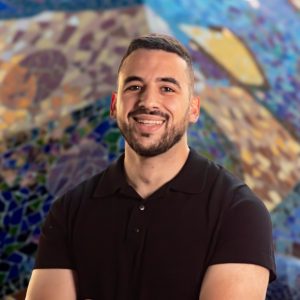 PhD Researcher
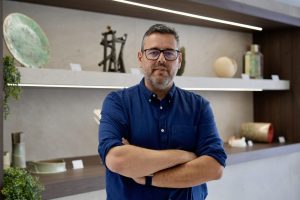 Director de la Escola Superior de Ceràmica de l’Alcora (ESCAL), institución de referencia en la formación superior especializada en cerámica. Cuenta con una amplia trayectoria en dirección y gestión educativa, liderando proyectos académicos, institucionales y de innovación, impulsando la colaboración con empresas, administraciones y entidades del sector cerámico. Junto a su equipo directivo, impulsa una gestión orientada en fortalecer la calidad de las enseñanzas, la empleabilidad del alumnado y la vinculación entre formación e industria.
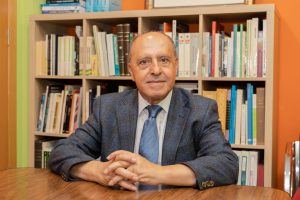 Fundador en 1976 de la Asociación Española de Técnicos Cerámicos (ATC) se convirtió en 2014 en el octavo presidente de ATC, cargo que actualmente ocupa.